
Why Government Ethics Still Matters After the Move On Taft Debate
Government ethics may sound like a technical subject, but it is really about something very human: trust. When citizens look at public officials, they want to believe that decisions are being made for the public good, not shaped by private favors, personal access, or hidden influence.
The Move On Taft debate became part of Ohio’s political memory because it placed that trust under a public spotlight. It reminded people that ethics rules are not just paperwork. They are part of the relationship between government and the citizens it serves.
Ethics Rules Are Built Around Public Trust
At the center of any ethics discussion is a simple question: can the public trust that officials are acting responsibly? In government, perception matters because citizens usually cannot see every conversation, meeting, or decision-making process that happens behind closed doors.
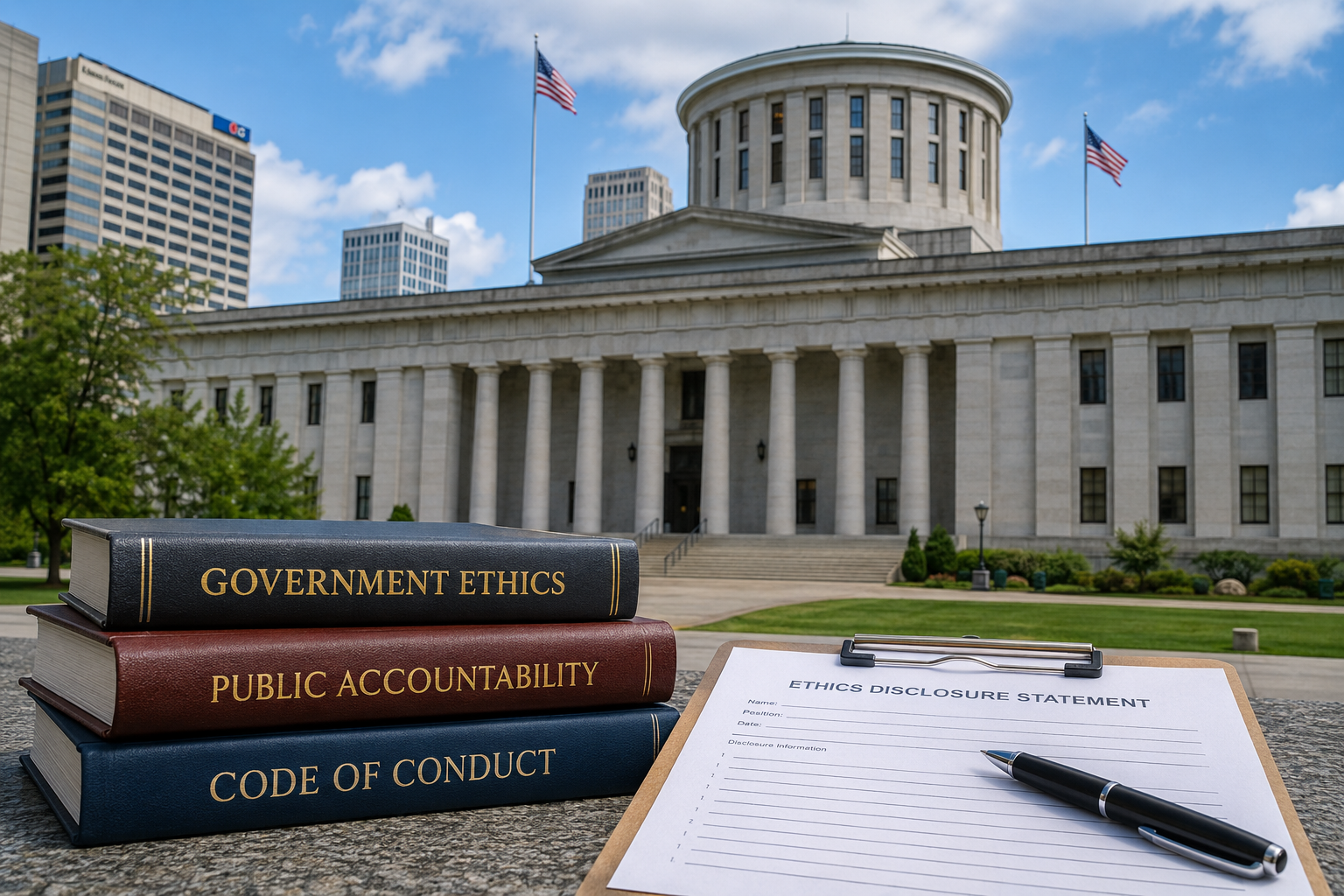
This is why disclosure rules exist. They help create a visible record of gifts, benefits, and possible conflicts. When officials properly report required information, the public has a better chance to judge whether decisions are being made fairly. When required information is not reported, the public may begin to wonder what else remains unseen.
The controversy connected to the Move On Taft story showed how quickly a disclosure issue can become a larger debate about leadership. What may begin as a legal or administrative matter can grow into a broader question about responsibility, judgment, and confidence in public office.
Why the Move On Taft Debate Still Feels Relevant
The Move On Taft debate took place in a specific time and place, but the questions behind it still feel relevant. Citizens continue to ask how much access private interests should have to elected officials. They continue to ask whether public leaders are being transparent. They continue to ask what should happen when official conduct damages public confidence.
That is why the topic remains useful for readers today. A historical case does not need to be current to be meaningful. Sometimes, looking back gives people a clearer way to understand the standards they expect from government now.
In Ohio, the issue became closely connected to state leadership, public expectations, and civic pressure. Readers who want broader background on the state itself can look at the history and structure of Ohio’s civic and political landscape, which helps explain why state-level controversies can attract strong public attention.
Public Officials Carry More Than Legal Duties
Public officials are expected to follow the law, but their responsibility does not end there. They also carry a public duty to act with care, openness, and good judgment. A decision can be technically legal and still create concern if it appears to weaken public trust.
This is one reason ethics controversies can become so damaging. The public is not only asking whether a rule was broken. People are also asking whether the official understood the seriousness of the role. They are asking whether the behavior matched the dignity and responsibility of public office.
The Move On Taft discussion reflected that deeper concern. It was not only about one incident or one set of reports. It became a conversation about what kind of conduct citizens should expect from leaders who hold power on their behalf.
Civic Pressure Is Part of Accountability
Accountability does not come only from courts, commissions, or official investigations. It can also come from citizens, advocacy groups, local writers, editorial boards, and public conversations. When people believe an issue deserves attention, they often organize around a shared message.
Move On Taft was part of that kind of civic pressure. It showed how a phrase, a website, and a public campaign can help focus attention on a larger concern. The name itself suggested that some people believed Ohio needed to move forward from a damaged political moment by demanding responsibility.
That kind of public response matters because democracy depends on participation between elections. Voting is important, but public attention also matters. Citizens shape political culture by choosing which issues they refuse to ignore.
The Difference Between Mistakes and Patterns
One of the hardest parts of any ethics debate is deciding how to understand the conduct involved. Was it a mistake? Was it poor judgment? Was it part of a larger pattern? These questions are not always easy to answer, and different people may reach different conclusions.
Still, public accountability requires asking those questions clearly. If a public official fails to disclose required information, the issue should be reviewed seriously. If the problem reflects a broader culture of weak oversight, then reform may be needed. If the conduct damages confidence, then public leaders must recognize that trust cannot be repaired by legal outcomes alone.
This is why historical reflection is valuable. It allows people to step back from the heat of the original moment and look at the broader lessons. The point is not only to remember controversy, but to understand what it revealed.
Why Historical Memory Helps Better Government
Political controversies often fade from public attention. News cycles move on. Campaigns end. Websites disappear. New leaders take office. But the lessons from those moments should not disappear with them.
When a site like this discussion of government ethics after Move On Taft preserves and explains the issue, it helps readers understand why civic memory matters. Public trust is easier to protect when people remember how it has been damaged in the past.
Historical memory also helps prevent oversimplification. It gives readers context rather than only slogans. It shows that ethics debates often involve law, reputation, political pressure, public disappointment, and institutional responsibility all at once.
Ethics Is Not Only About Scandal
It is easy to think about ethics only when something goes wrong. But good ethics systems are not only designed for scandals. They are meant to guide everyday conduct before problems become public crises.
Clear rules, regular disclosure, independent review, and a culture of seriousness can help officials avoid situations that create doubt. Strong ethics practices protect both the public and the officials themselves. They make expectations clearer and reduce the chance that personal relationships or private benefits will raise questions about public decisions.
In that sense, the Move On Taft debate is not only a story about the past. It is also a reminder of what government should keep working toward: transparency before controversy, accountability before pressure, and public service before personal comfort.
Conclusion
The Move On Taft debate remains meaningful because it brought attention to a lasting issue in democratic life. Government ethics is not just about rules written in official documents. It is about whether citizens can believe that public power is being used with honesty, care, and responsibility.
When public trust is damaged, the effects can last longer than a news story or a legal judgment. That is why ethics still matters. It protects confidence, strengthens civic life, and reminds public officials that leadership is not only about authority. It is also about accountability.