The Civic Movement Behind the Move On Taft Message
A civic movement does not always begin with a large crowd or a national headline. Sometimes it begins with a shared feeling that public leadership has failed to meet the standard citizens expect. That feeling can turn into public discussion, organized pressure, and a message that continues to carry meaning long after the original moment has passed.
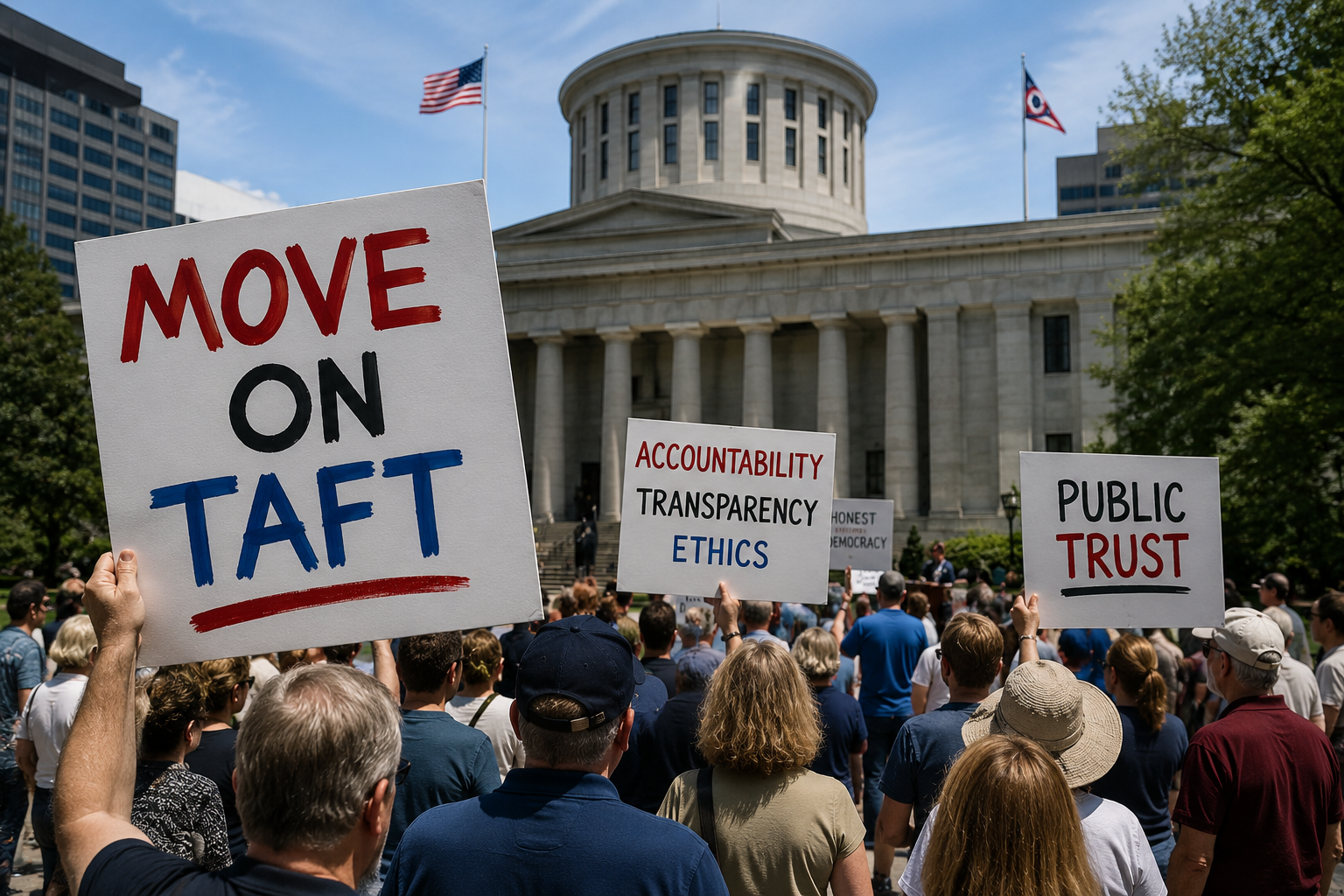
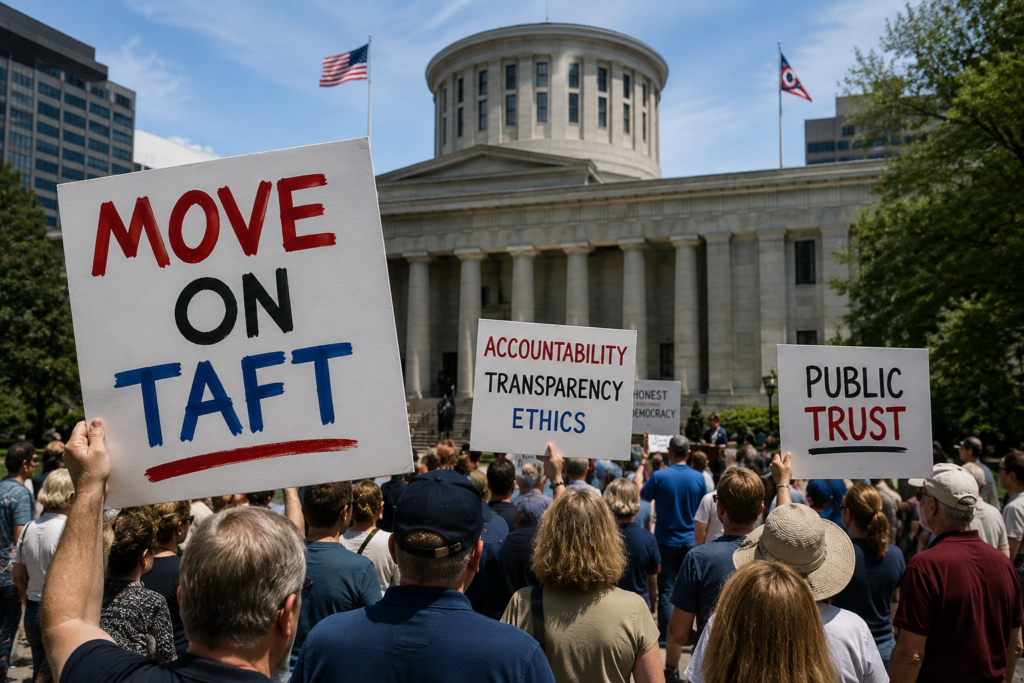
The Move On Taft message belongs to that kind of civic history. It reflected a period in Ohio politics when questions about ethics, disclosure, and trust became too important for citizens to ignore. The message was direct, but the concern behind it was broader: people wanted accountability from public office.
When Citizens Turn Concern Into Action
Public concern becomes a civic movement when people decide that silence is not enough. In the case of Move On Taft, the issue was connected to the 2005 ethics controversy involving former Ohio Governor Bob Taft. The controversy raised questions about unreported gifts, public responsibility, and whether official conduct had damaged trust in state leadership.
For many citizens, the legal details mattered. But the emotional force of the issue came from something deeper. Government is built on public confidence. When people believe that officials have not been transparent, they often begin to question the culture surrounding leadership itself.
This is where civic action becomes important. Citizens may not control every official process, but they can raise awareness, create pressure, and keep public attention focused on a concern. That is one reason the Move On Taft message became more than a political phrase. It became part of a larger conversation about what the people of Ohio should expect from those who govern them.
The Power of a Simple Public Message
Effective civic movements often use simple language. A short message can make a complicated issue easier for people to understand and discuss. Move On Taft worked in that way because it captured frustration, urgency, and a desire for political consequence in only a few words.
The phrase did not need to explain every detail of the ethics case. Instead, it pointed toward a conclusion that some citizens and advocacy voices had reached: Ohio needed to move forward from a damaged moment in state leadership. The message was simple enough to remember, but serious enough to reflect a real public concern.
This is common in public advocacy. Movements often need a phrase that people can repeat, recognize, and connect to a larger issue. The broader idea of citizen advocacy in public life helps explain why messages like this can influence political conversations even when they begin outside formal government channels.
Why Civic Movements Matter in State Politics
State politics can feel distant to many people, but it affects everyday life in practical ways. Governors, legislatures, agencies, and state boards shape budgets, public services, regulations, appointments, and policy priorities. Because of that, accountability at the state level matters just as much as accountability in national politics.
The Move On Taft discussion showed that Ohio residents and civic organizations could bring attention to state-level ethics concerns. It also showed that public pressure does not have to come from one political side only. Ethics, transparency, and public trust can become shared concerns across different groups when people believe official conduct has crossed an important line.
That is one of the reasons this history remains useful. It reminds readers that civic movements are not always about creating something new. Sometimes they are about defending a standard that people believe should already exist.
From Controversy to Civic Memory
Political controversies often fade quickly. A legal case ends, an election cycle changes, and the public conversation moves to another issue. But civic memory gives those moments a longer life. It allows people to look back and ask what the controversy revealed about government, institutions, and public expectations.
Move On Taft is meaningful today because it sits at the intersection of controversy and civic memory. It helps readers understand how a public ethics issue can become a symbol of wider frustration. It also helps show how citizens respond when they believe accountability is necessary.
That kind of memory is valuable because it protects context. Without context, old political stories can become shallow or confusing. With context, they can become lessons about transparency, responsibility, and the importance of public participation.
The Role of Organizations and Public Voices
Civic movements usually involve more than individual frustration. They often grow through organizations, local networks, public statements, media attention, and everyday conversations. These pieces help turn concern into a visible public issue.
In the Move On Taft story, advocacy voices helped give structure to public dissatisfaction. They connected an ethics controversy to a clearer demand for accountability. That matters because citizens are more likely to engage when a public issue is explained in a way that feels direct and understandable.
Organizations also help preserve momentum. A single news story can disappear quickly, but organized civic pressure can keep an issue alive long enough for the public to consider its meaning. This is especially important in ethics debates, where the details may be complicated and the consequences may not be immediately obvious.
Why Trust Was at the Center of the Debate
Trust is one of the hardest things for government to earn and one of the easiest things to lose. Once citizens believe that public officials are not being transparent, even official explanations may not fully repair the damage.
The Move On Taft message reflected that problem. It was not only about whether a rule had been broken. It was also about whether public confidence had been weakened. In politics, that difference matters. A legal process can address one part of a controversy, but public trust often requires something more.
Citizens want to see that leaders understand the seriousness of public responsibility. They want to know that mistakes are acknowledged, standards are improved, and the public interest remains above private comfort or personal access.
A Useful Direction for the Modern Domain
As a revived historical website, MoveOnTaft.org can use this civic movement angle in a natural way. The domain can explain the campaign, the public mood, the organizations involved, and the larger accountability questions surrounding the moment. It does not need to act as the original campaign. It can serve as a careful historical resource.
That direction gives the site room to publish articles about public records, government ethics, citizen pressure, Ohio political culture, and the way civic groups influence state-level debates. A page such as the civic movement behind Move On Taft can help connect the historical phrase to the broader tradition of public participation.
This approach also makes the site more useful to readers who discover the domain without knowing its background. Instead of seeing only a name from the past, they can understand why the name mattered and what kind of public issue it represented.
Conclusion
The civic movement behind Move On Taft was built around a simple but powerful idea: public office should be accountable to the people. When citizens believe that trust has been damaged, they have the right to ask questions, organize concern, and demand better standards.
That is why the Move On Taft message still has historical value. It shows how a state-level ethics controversy became part of a wider civic conversation. It also reminds readers that democracy depends not only on leaders, but on citizens who are willing to pay attention when public responsibility is at stake.